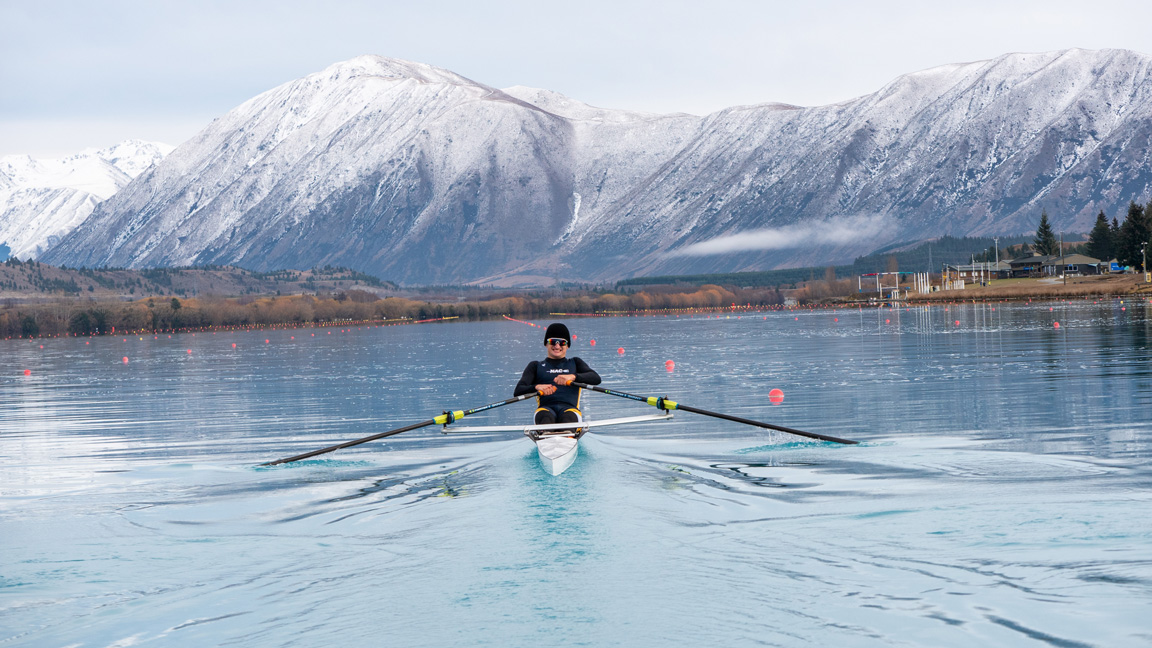
"Best" is doing a lot of work in that title, and it deserves some honesty upfront. There is no single best rowing camp. The right program depends on what your athlete is trying to accomplish, where they are in their development, and what kind of experience serves them at this particular moment.
This guide helps serious high school rowers and their families evaluate camp options by understanding the landscape, identifying what matters for their goals, and asking the right questions. We run camps — programs across seven countries, serving 500-600 athletes annually — but this framework applies to evaluating any program, including ours. Full disclosure is the only way to maintain credibility in a space where everyone claims to be the answer.
Understanding the Landscape
Rowing camps for high school athletes fall into several distinct categories, each designed for a different purpose and stage of development.
College and institutional camps (five to seven days) are typically hosted by a specific college program — athletes train at the school's facility with its coaching staff. The primary value is exposure: understanding what a specific program looks like, meeting coaches, and experiencing collegiate-level training. These camps accommodate larger groups and operate at broader ratios.
What they're good for: younger athletes exploring the sport, families researching specific college programs, athletes seeking a college-campus experience. What to understand going in: recruiting rarely happens directly from these camps, individual coaching attention is limited by group size, and the programming is designed for breadth rather than depth.
Skill development camps (one to two weeks) focus on technical improvement through structured coaching. Smaller groups, more deliberate instruction, and often a racing component. These programs serve athletes who are past the introductory stage and seeking real technical and competitive development. Duration matters here — two weeks allows for changes to begin ingraining, while one week introduces concepts that require follow-up at home.
Intensive and challenge camps (two to four weeks) offer extended training blocks where physiological improvement becomes possible alongside technical development. International racing opportunities, exposure to different coaching philosophies, and the personal development that comes from extended immersion distinguish these programs. The investment is substantial, and the athlete needs to be ready — athletically, emotionally, and in terms of commitment.
Leadership programs (three to four weeks or more) combine advanced athletic development with intensive personal growth. These are typically the most selective and most intensive camp formats. Athletes at this level are seeking significant development — they've moved beyond introduction and skill-building into a phase where training, racing, reflection, and leadership development are integrated.
What Serious Athletes Should Look For
For athletes who are genuinely committed to rowing and seeking development that matters, five criteria tend to separate programs with substance from those without.
Coaching quality. Credentials matter, and specificity matters. "Former college rower" is a starting point, not a credential. Look for coaches with actual coaching experience at the collegiate or national level — people who have developed athletes over time, not just competed themselves. NCAA Division I head coaches, national team coaches, and Olympic-level coaches bring different depth than a former JV rower who attended a coaching certification clinic. Ask who will be coaching your athlete specifically, not who is listed on the program's advisory board.
Staff ratios. Serious development requires individual attention, which requires ratios that make individual attention possible. For on-water coaching, 1:5 or better enables meaningful personalized feedback. Ask specifically about on-water ratios during instruction, and whether athletes receive individual video analysis. The difference between group video review ("here's what the boat did") and individual review ("here's what you did at the catch, and here's how it changed when you got tired") is the difference between general education and personalized coaching.
Water time and equipment. Quality boats and sufficient water time are non-negotiable for technical development. Small-boat work — pairs and singles — accelerates learning because athletes can't hide from technical deficiencies when there's no one else in the boat. Programs that offer small-boat training alongside sweep rowing provide a more complete developmental experience.
Training structure. Serious programming is progressive, not random. Look for programs that describe a training arc — building from one phase to another with clear intentions for each block. A camp where every day is the same intensity and structure, or where workouts feel improvised, isn't applying the principles that drive development. Ask about the balance of water work, ergometer training, strength development, and recovery. Ask about how training load is managed across the program's duration.
Athlete selection. Who else attends shapes the experience significantly. Selective programs create environments where athletes train with peers at a similar level, which raises the standard of every session. Open-enrollment programs serve a different purpose and create a different dynamic. Neither is wrong, but know which you're choosing.
Camps and College Recruiting
The relationship between camp attendance and college recruiting is one of the most misunderstood aspects of the rowing camp landscape. A clear-eyed understanding helps families set appropriate expectations.
The myth: attend a camp hosted by or affiliated with a college program, and that program will recruit you. The reality:NCAA regulations significantly limit how coaches can use their own camps for recruiting purposes. Coaches don't recruit from their own camps in the way many families assume. Attending a camp at a school you want to row for may create familiarity, but it doesn't create a recruiting advantage in the way a strong erg score or standout race result does.
What camps can legitimately do for recruiting is develop the skills and experiences that make athletes more recruitable. Athletes who emerge from quality camps as more technically proficient, more experienced racers, and more self-aware competitors are better positioned in the recruiting process than they were before — not because they attended a specific program, but because they genuinely improved.
Camps with coaching staffs drawn from multiple collegiate programs can also provide exposure to a range of coaches, some of whom may speak to the athlete's development when the recruiting process begins. A coach who's worked with an athlete for two or four weeks can speak with authority about their ability, coachability, and potential — and that kind of recommendation carries weight.
The measured advice: choose camps for development, not recruiting. If the development is real, the recruiting benefits follow.
Due Diligence Checklist
These questions apply to any rowing camp at any level. Programs that answer them clearly and specifically deserve further consideration. Programs that hedge or deflect may not be worth the investment.
What is the coaching staff-to-athlete ratio specifically on the water during instruction? Who will be coaching your athlete — names, backgrounds, and experience? What is the daily schedule and training structure? How does programming progress across the camp's duration? How are athletes grouped — by experience, ability, or some other criterion? Does each athlete receive individual video feedback? If so, how often and for how long? What selection criteria exist for admission, and what is the composition of a typical cohort? What do athletes take home — video, written evaluations, training plans, continued coach access? Can the program connect you with past attendees or their families?
Overview of Options
The rowing camp landscape offers programs across several categories. Without endorsing specific programs, the general options include:
Collegiate institutional camps offer exposure to specific college programs at lower cost. Group sizes tend to be larger, and individual attention is limited by ratio. Strong for younger athletes exploring the sport and families researching specific schools.
Regional skill camps offer focused instruction, often with experienced local or regional coaching staffs. Accessible, usually moderate in cost, and valuable for athletes who benefit from concentrated coaching without the time or financial commitment of an extended program.
National-level intensive camps feature coaching staffs with collegiate and national team connections, selective admissions, and serious training environments. These programs serve athletes seeking significant development and are often the camps that produce the most durable outcomes for committed athletes.
International racing and development camps provide training abroad with racing against international competition, exposure to different coaching cultures, and the personal development inherent in international experience. Investment is substantial, and the athlete needs to be ready for both the athletic and personal demands of extended time abroad.
Sparks operates programs in several of these categories — Collegiate Introductory, Challenge, and Leadership camps across seven countries. Our programs emphasize small cohorts, high staff ratios (1:3 to 1:5), a self-coaching philosophy, and extended duration. They're designed for a specific type of athlete and family, and they're not for everyone. Visit our program pages for specific details.
The "best" rowing camp is the one that matches your athlete's current developmental needs, competitive goals, and personal readiness. It's probably not the most expensive option, and it's probably not the cheapest. It's the one where the coaching is strong, the structure is intentional, the peers are appropriate, and the duration matches what you're trying to accomplish.
Use the criteria above to evaluate any program — then make the decision that fits.