Blog

Rowing Camps and Recruiting
This article explains what college coaches actually evaluate, what a rowing camp can legitimately do for a recruiting profile, what no camp can do regardless of its marketing, and how to choose a camp that serves a real recruiting process. The framework draws from our books on collegiate rowing recruiting and coxswain recruiting, from 15 years of running camps across eight countries, and from the reality of what coaches look at when they decide whether to support a recruit through admissions.
Read More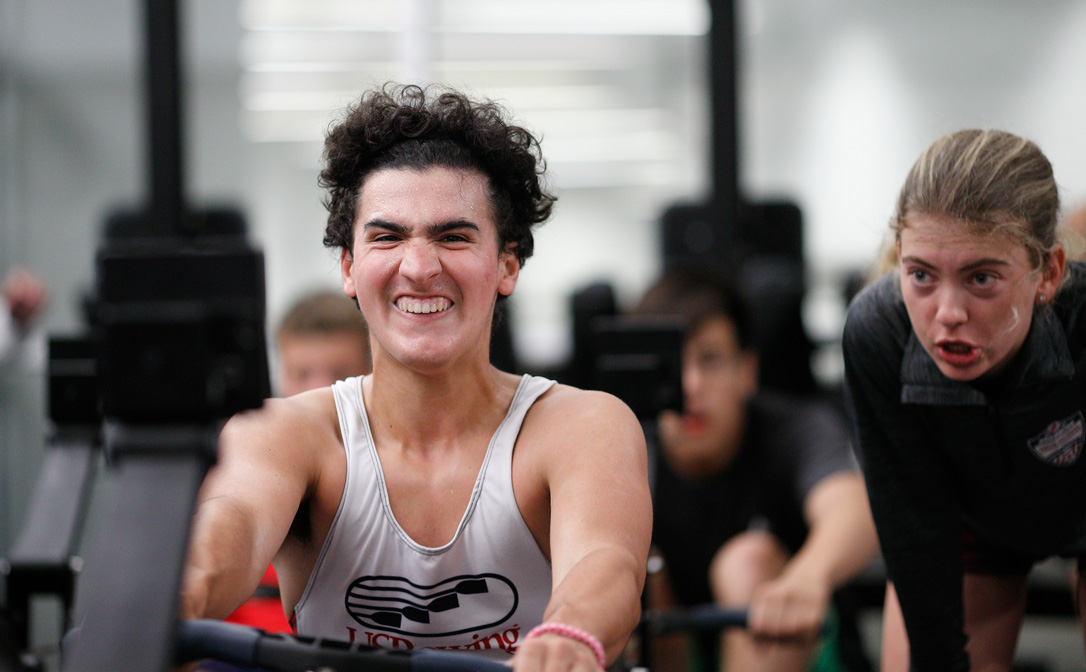
College Rowing Erg Score Standards: What Scores Mean for Recruiting
This guide provides current benchmarks by program tier, explains how coaches actually use erg scores in their evaluations, and addresses the questions families ask most often — including the ones that the number-obsessed corners of the internet tend to get wrong.
Read More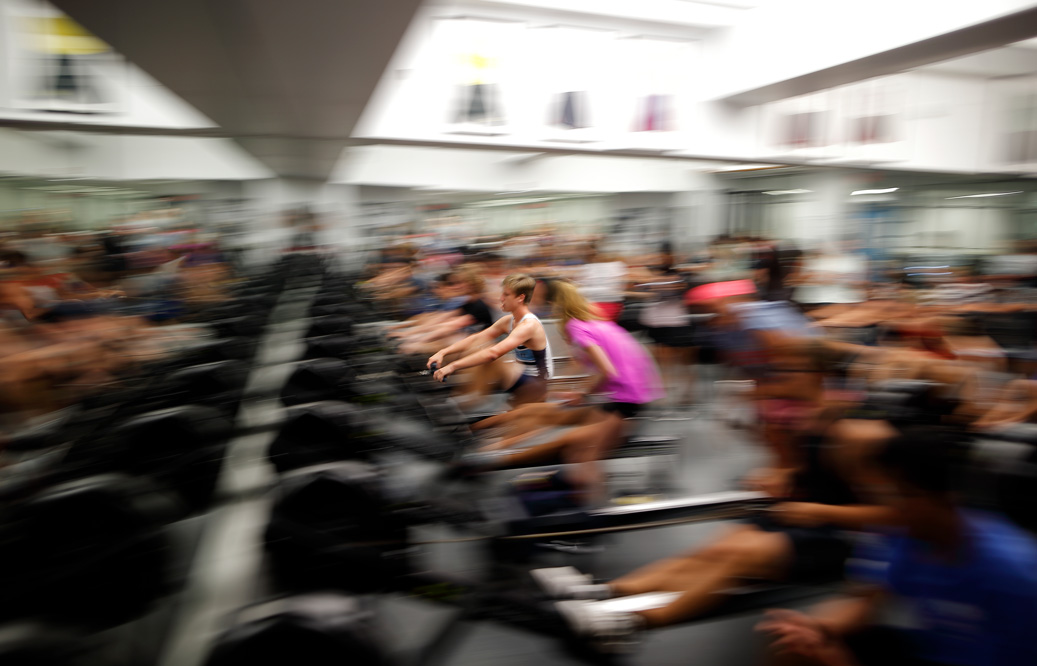
How to Plan Your 2K Erg Test: Pacing, Strategy, and Race Execution
This article provides what you actually need: a framework for building a pacing plan based on your realistic target time, the research on what works and what doesn't, split tables for every goal time from 6:00 to 8:30, and a warm-up and setup protocol to make sure the plan has a chance of working.
Read More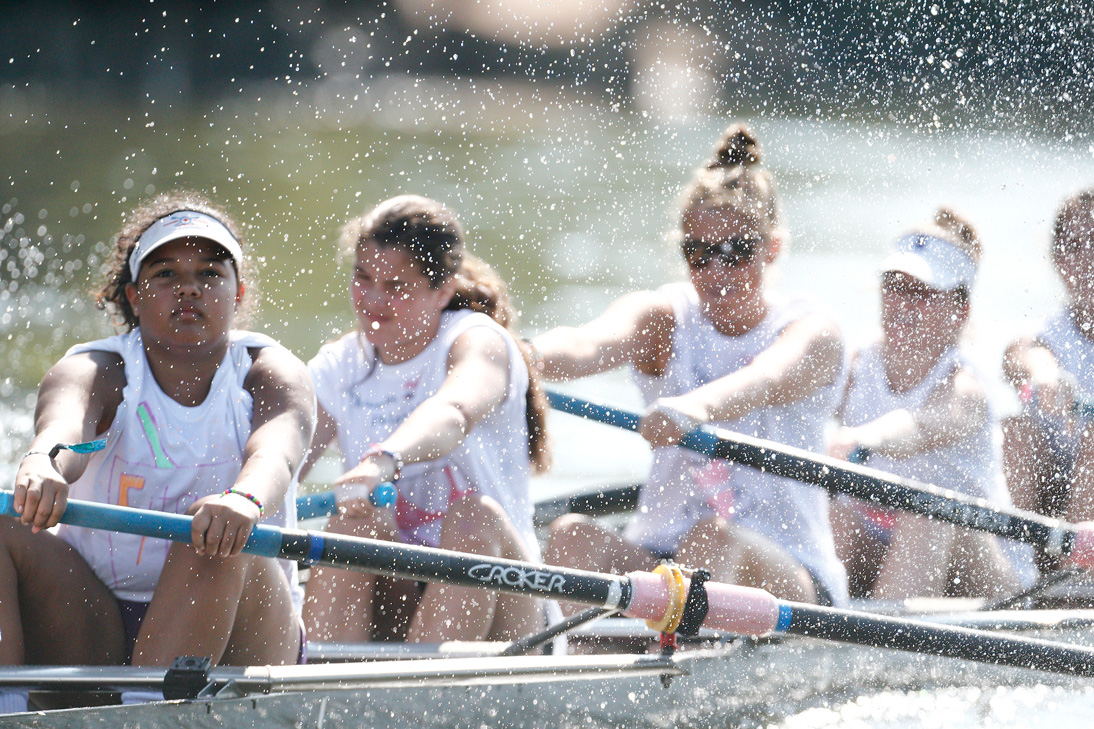
9 Rowing Technique Mistakes and How to Fix Them
Nine on-water and erg technique mistakes that slow high school rowers down, with the drill and cue that fixes each one. Written for junior varsity athletes.
Read More
Small Boat Training: Why Singles, Pairs, and Doubles Develop Better Rowers
Singles, pairs, and doubles develop technique faster than eights. Here's the motor learning research behind why, and what it means for your rower's development.
Read More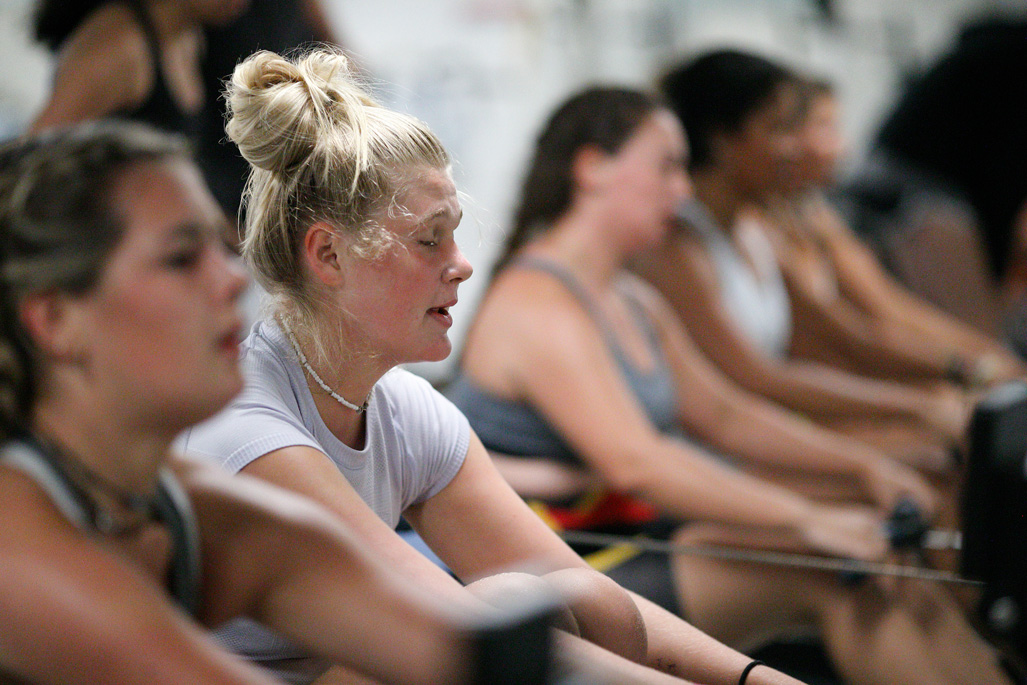
Breathing Technique for Rowing: How to Breathe on the Erg and in the Boat
Breathing in rowing is not intuitive. The body position at the catch — compressed forward, knees to chest, trunk folded — restricts lung volume at exactly the moment the muscles demand the most oxygen. Unlike running or cycling, where the body is relatively upright and the respiratory system operates without mechanical constraint, rowing forces the athlete to coordinate breathing with a stroke cycle that alternately compresses and opens the chest. Getting this coordination right is one of the simplest ways to row more efficiently. Getting it wrong costs energy, creates tension, and limits how hard you can sustain effort over distance.
Read More
Why Erg Scores Alone Won't Get Your Kid Recruited
Having recruited for an Ivy League lightweight program and worked with hundreds of families through the recruiting process over the past fifteen years, the pattern is consistent: the athletes who navigate recruiting most successfully are not the ones with the fastest erg scores. They are the ones who demonstrate the depth, self-awareness, and communicative maturity that come from engaging seriously with the sport — not just optimizing a single number.
Read More
Realistic Erg Score Improvement: What to Expect by Experience Level
Erg improvement is not linear. It is fast at first and slows progressively as an athlete approaches their physiological ceiling. A first-year rower can drop 30 seconds from their 2K in a few months. A fourth-year varsity athlete might fight all season for 3 seconds. Both represent real progress. But conflating the two — or promising the first to someone who is actually in the second category — is dishonest. What follows is the most complete picture we can assemble from the available data.
Read More
How to Row Faster: What Actually Moves the Needle on Speed
Speed on the erg and speed in the boat come from the same three sources: technique (how efficiently you convert effort into motion), fitness (how much effort your body can produce and sustain), and execution (how well you deploy your fitness over a given distance). Improving any one of these makes you faster. Improving all three makes you substantially faster. What follows is an honest accounting of what works, organized by what produces the largest gains first.
Read More
How High School Rowers Should Train Over the Summer
The key principle is that summer is for base building, not peaking. The aerobic system — the engine that powers everything from a 2K test to a 5,000-meter head race — develops through sustained low-intensity work over weeks and months. Athletes who train at race intensity through June burn out in October. The ones who build their base patiently through the summer arrive at fall practice with the fitness to absorb the harder training that produces race results.
Read More
Rowing Courses in the UK: How to Choose the Right One for Your Athlete
The UK market is built around school-run holiday courses at independent schools, university-based programmes, and club-level clinics. These range from introductory learn-to-row weeks to competitive development programmes, with pricing from roughly £100 to £1,600 depending on format, duration, and what's included.
Read More
Rowing Camps in the Midwest: Options for Athletes Outside the East Coast
The Midwest has produced nationally competitive rowing programs for decades, but camp infrastructure hasn't kept pace with the sport's growth in the region. Here's what actually exists and how to think about it.
Read More