Choosing a summer running camp can feel overwhelming. The options range from local day camps to international programs, from huge clinics with hundreds of athletes to intimate training groups of a dozen. Marketing materials promise transformation, elite coaching, and unforgettable experiences. How do you cut through the language to find a program that will actually help your athlete develop?
This guide offers a framework for evaluating running camps based on what matters most: the quality of coaching, the structure of the program, and the environment for growth. We will cover what questions to ask, what answers should concern you, and how to distinguish genuine quality from marketing hype.
Staff-to-Athlete Ratios: The Numbers That Matter
The most important question to ask any camp is simple: how many athletes will each coach work with? The answer tells you more about the quality of instruction than almost any other detail.
A coach working with 25 athletes cannot provide individual feedback. They can deliver group instructions, manage safety, and run organized workouts, but they cannot observe and correct your specific running form. They cannot notice when you are pushing too hard or holding back. They cannot have a meaningful conversation about your goals and how the training connects to them.
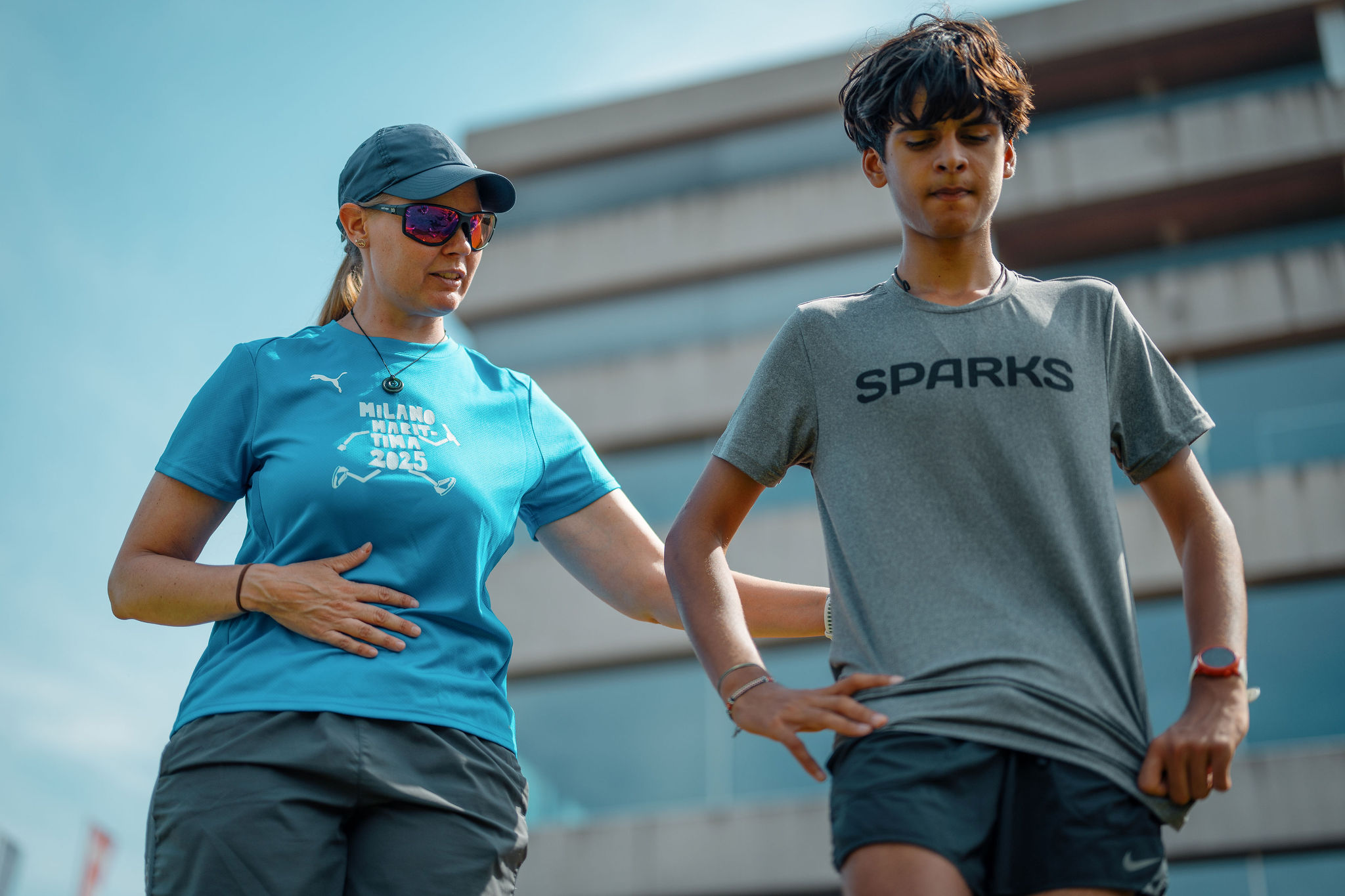
Serious coaching requires ratios of 1:5 or better. At 1:4, coaches can rotate through athletes during workouts, offering personalized cues and corrections. At 1:3, the attention becomes intensive: coaches can track individual responses to training across multiple sessions and adjust accordingly.
When camps advertise impressive overall staff numbers, look deeper. A camp with 100 athletes and 20 staff might sound well-staffed, but if only 5 of those staff are coaches and the rest handle logistics, the actual coaching ratio is 1:20. Ask specifically about coaching staff and how groups are structured.
Admissions-Based vs. Open Enrollment: Why Cohort Quality Matters
Some camps accept anyone who registers. Others have an admissions process that evaluates fit before offering a spot. This distinction shapes the experience more than most families realize.
In open enrollment programs, the range of experience, commitment, and ability can be vast. Coaches must design sessions that accommodate beginners and advanced athletes simultaneously. The social dynamic often includes athletes who are there because their parents signed them up, not because they chose to attend. This is not necessarily bad, but it does limit what the program can offer to athletes seeking serious development.
Admissions-based programs create more focused cohorts. When a camp interviews applicants and considers developmental readiness, they can build groups where athletes share similar commitment levels. Training can be more targeted. Conversations about goals and process can assume a baseline of seriousness. Athletes often describe these cohorts as unusually supportive, because everyone present chose to be there.
This does not mean admissions-based programs are only for elite runners. Thoughtful selection considers attitude and coachability alongside current performance. The question is not whether an athlete is fast, but whether they are ready to grow in the environment the program provides.
For a comprehensive evaluation framework that applies across all sports, including specific questions to ask about staff ratios, safety, and curriculum. See A Parent’s Guide to Evaluating Summer Sports Camps.
What "Training" Should Actually Include
Many camps describe their programs as "training camps" but deliver something closer to "running a lot in a nice location." True training includes multiple components working together:
Structured workouts with clear purpose. Each session should have an objective beyond accumulating mileage. Athletes should know why they are doing what they are doing and how it connects to their development.
Individual feedback on form and mechanics. Running form affects efficiency and injury risk. Programs should include some form of gait analysis or video review that helps athletes understand how they move.
Education beyond running. Serious development includes understanding nutrition, recovery, and mental approach. Athletes should leave knowing more about how to train, not just having trained.
Appropriate recovery. Camps that pile on volume without adequate rest produce fatigue, not fitness. Look for programs that include recovery protocols and treat sleep as training.
Ask camps what a typical day looks like, hour by hour. If the schedule is nothing but running and free time, you may be paying for a running vacation rather than a developmental experience.
Questions to Ask About Safety and Supervision
Parents are right to ask about safety, especially for camps that involve new terrain, altitude, or international travel. Here are specific questions worth asking:
What is the supervision structure? Who is responsible for athletes outside of training sessions? What are the housing arrangements and check-in protocols?
How do you handle medical situations? Is medical support available? What is the plan for injuries or illness? Are staff trained in first aid?
What are your policies on heat, air quality, and weather? Does the camp have clear protocols for when conditions become unsafe? How are adjustments communicated?
How do you communicate with families? What updates will parents receive during camp? Who should be contacted with concerns?
Programs that answer these questions readily and specifically have thought seriously about safety. Vague assurances ("we have experienced staff") without concrete details should give you pause.
Why Location Matters Beyond Scenery
Running in beautiful places is enjoyable, but scenery alone does not justify premium pricing. When evaluating location, consider what training benefits the environment provides.
Altitude: Training at moderate altitude (6,000-8,000 feet) produces physiological adaptations that can enhance performance. This requires duration of at least two weeks and appropriate programming.
Terrain: Technical trails develop proprioception and agility that flat roads cannot. Mountain environments challenge athletes in ways that produce mental as well as physical benefits.
Climate: Cooler temperatures allow for higher quality training. Athletes can push harder when not fighting heat.
Facilities: Access to tracks, trails, and appropriate terrain for varied workouts matters. A stunning location with only one running option limits programming.
Ask camps to explain why they chose their location and how it serves athlete development. Programs that articulate specific training benefits have thought this through.
Red Flags in Camp Marketing
Certain patterns in how camps present themselves should prompt skepticism:
Vague claims of transformation. Phrases like "unlock your potential" or "become the runner you were meant to be" sound inspiring but mean nothing. Look for specific descriptions of what athletes learn and how.
Heavy emphasis on celebrity connections. A camp where an Olympian gives one lecture is not the same as a camp where that Olympian coaches daily. Ask who actually delivers instruction, not just who appears in marketing.
Artificial urgency. "Only 3 spots left!" and "Selling out fast!" create pressure to decide before evaluating thoroughly. Quality programs are confident enough to let families take time.
Reluctance to provide specifics. Programs should readily share staff credentials, daily schedules, coaching ratios, and safety protocols. Evasion on these points suggests there may be less substance than the marketing implies.
Focus on exclusivity over development. Language emphasizing how "elite" or "exclusive" a program is often masks a lack of genuine differentiation. The question is not whether a camp is exclusive, but whether it delivers development.
Questions to Ask Yourself
Before choosing a camp, consider what you are actually looking for:
What does success look like? Is your goal fitness gains, skill development, confidence building, or something else? Different programs emphasize different outcomes.
What environment helps this athlete grow? Some athletes thrive in large, social settings. Others develop better in smaller groups with more individual attention. Know your athlete.
What happens after camp? The best programs leave athletes with tools and habits they can continue using at home. A camp that produces two weeks of fitness without lasting learning may not be worth the investment.
Is the timing right? How does this camp fit into the broader training year? A challenging camp too close to the season may leave an athlete flat when it matters.
Making the Decision
The right summer camp is the one that matches your athlete's developmental needs, provides serious coaching in an appropriate environment, and sends them home not just fitter but wiser about their own running.
Price is part of the equation, but not the whole equation. A less expensive camp with 1:20 coaching ratios may deliver less value than a pricier option with genuine individual attention. Calculate what you are actually getting for your money.
Trust your instincts about how a program communicates. Organizations that answer questions directly, provide specific information, and do not pressure you to decide quickly are usually more confident in what they offer. That confidence typically comes from genuine quality.
Finally, involve your athlete in the decision. The camps that produce the most growth are often those where the athlete was invested in attending from the start. A camp chosen collaboratively is more likely to be a camp that matters.
For specifics on how Sparks running programs are structured, see What Makes Sparks Running Camps Different.