International rowing camps offer what domestic programs can't: new water, new coaching perspectives, immersion in different rowing cultures, and the personal growth that comes from training in unfamiliar places. They also involve more complexity — international travel, longer durations, and higher investment.
This guide covers the practical considerations families need to understand, how to evaluate international program safety and quality, and what different destinations offer. Whether you're considering Sparks or another international program, these are the questions worth asking.
The Case for Going Abroad
The argument for international training isn't that it's inherently better than domestic programs — it's that it provides something categorically different.
International coaching perspectives expand understanding. British coaching emphasizes different technical priorities than American coaching. Dutch rowing culture approaches small-boat development with a depth that's relatively uncommon in the U.S. junior system. Swiss coaching brings its own traditions and emphases. Athletes who experience multiple coaching philosophies develop a broader understanding of the sport and a more sophisticated ability to evaluate coaching — including their own home coaches' instruction — in context.
New water creates new challenges. Athletes who've trained on the same course for years develop habits specific to those conditions — certain wind patterns, certain currents, a familiar shoreline. Rowing on the Thames, the Rotsee, or an Amsterdam canal forces adaptation. Different conditions demand different technical responses, and navigating them builds a versatility that doesn't develop when every practice happens on the same stretch of river. New equipment may also come with new water, which teaches adaptation and creates a higher level of mastery.
The experience itself has developmental value. International travel, navigating unfamiliar environments, building relationships with peers from different backgrounds, adapting to new routines — these aren't add-ons to the athletic programming. They're integral to the kind of personal development that distinuishes extended camp experiences from training alone. Athletes who've managed themselves in a foreign country for two or four weeks return with a maturity and independence that's visible to parents, coaches, and teammates.
Logistics and Practicalities
International camp logistics require more planning than domestic programs, but most of the complexity is front-loaded. Once athletes arrive at their destination, the program handles everything.
Travel. Most international programs don't include airfare — families arrange flights independently. Quality programs provide detailed guidance: recommended airports, flight timing, how to connect with other families on similar itineraries, and what to do about connections and layovers. Group meetups at destination airports are standard — athletes arrive individually and join the program as a group. International programs do cost more than domestic alternatives. For a transparent breakdown of what drives that pricing, see The Real Cost of Premium Athletic Camps.
Documentation. A valid passport is essential and must be valid for at least six months beyond the travel dates for most European destinations. Visa requirements vary by destination — most European countries don't require visas for U.S. citizens staying under 90 days, but it's worth confirming for specific destinations. Medical forms, emergency contact information, and any required health documentation should be completed well in advance.
Communication. The question every parent has: how much will I hear from my athlete? The honest answer varies by program, but quality programs establish clear communication protocols. Daily updates from staff are reasonable to expect. Direct calls or messages from athletes happen, but shouldn't be constant — part of the developmental value is learning to manage independence. Most programs provide WiFi access and have clear guidelines about phone and device use.
Housing and meals. Accommodations at international programs range from university dormitories to hotels to dedicated athlete housing. The standard varies by destination and program, but what matters more than thread count is proximity to training venues, quality of meals, and conditions for rest and recovery. Dietary restrictions and allergies should be communicated early — international programs accustomed to hosting athletes generally handle these well, but advance notice is necessary.
What to Ask Any Program
Safety evaluations for international programs should be thorough. The distance from home raises the stakes on supervision, medical preparedness, and risk management. For a broader evaluation framework that applies to any camp — domestic or international — see A Parent's Guide to Evaluating Summer Sports Camps.
Supervision structure. Ask specifically about 24-hour coverage. Who is responsible for athletes outside of training hours? Is there a staff member on call overnight? What is the supervision ratio for non-training activities? Programs should have clear protocols for free time, sleep, and transitions — not just for training.
Medical preparedness. What medical resources are available at the destination? Is there a medical professional (doctor, nurse, athletic trainer, or physiotherapist) associated with the program? How are injuries and illnesses handled — both minor (blisters, stomach issues) and serious (fracture, allergic reaction)? Does the program require travel insurance, and what does it cover?
Risk management. How does the program assess and manage risk on the water? What water safety protocols exist, and how are they adapted for unfamiliar venues? What safety certifications does the coaching and operations staff hold? How does the program handle weather-related changes? Has the staff operated at this venue before, and for how long?
Staff qualifications. Beyond coaching credentials, what safety training does staff have? SafeSport certifications? Background checks? First aid and CPR? Programs should be able to answer these questions without hesitation.
Where We Go and Why
Sparks operates international rowing programs at six locations, each selected for specific training and developmental advantages.
England (London and Cambridge) offers some of the world's most historic rowing venues. Athletes train and race on the Thames and the Cam, engage with British coaching perspectives that emphasize technical precision and small-boat skill, and experience the culture and history of English rowing. The racing opportunities — including regattas that draw international fields — provide competitive experiences unavailable domestically.
Netherlands (Amsterdam) is home to one of the world's great rowing cultures. Dutch rowing emphasizes efficiency in small boats, and the coaching philosophy is distinctive — technically rigorous, direct, and focused on developing athlete independence on the water. Athletes race in international regattas and train alongside Dutch juniors, providing cross-cultural athletic exchange.
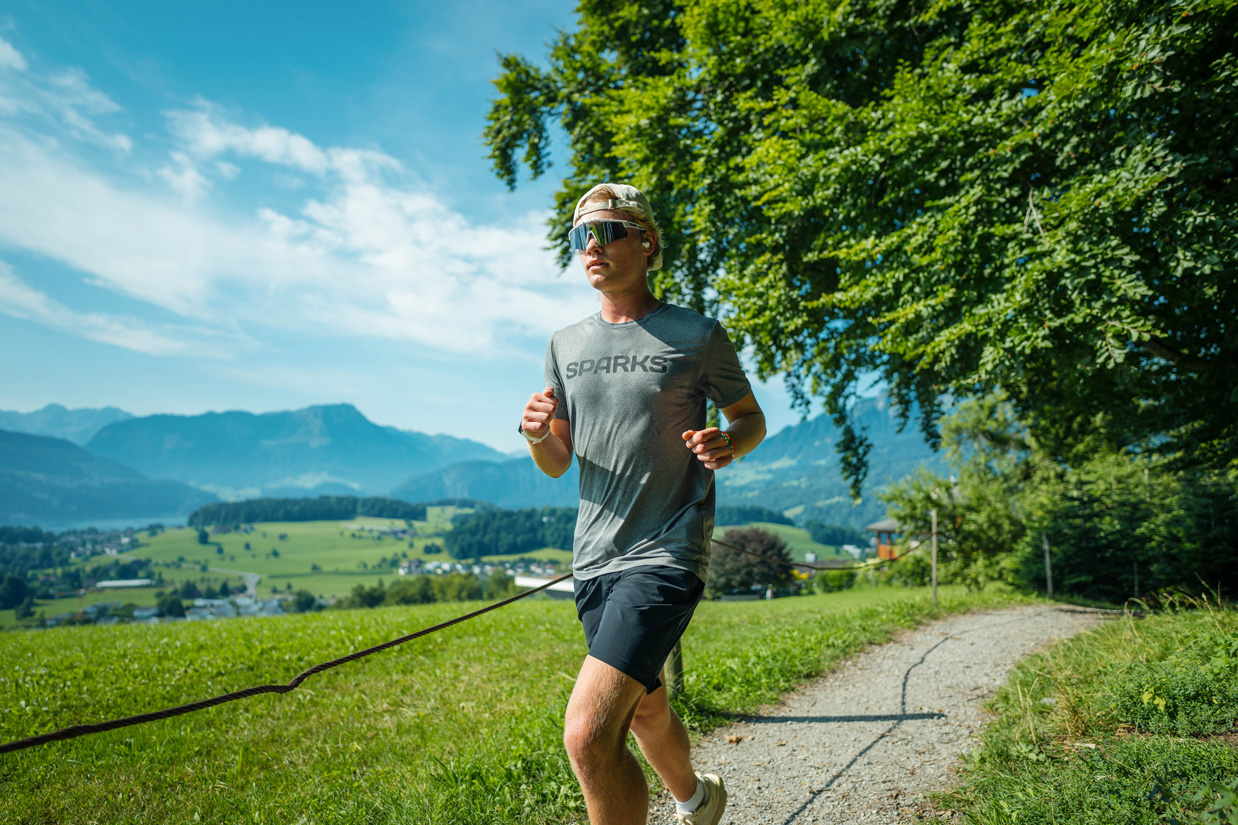
Switzerland (Lucerne) centers on the Rotsee, widely regarded as the world's fairest rowing course and a regular host of World Cup and World Championship racing. The Swiss training environment combines Alpine scenery with a precision-oriented coaching culture. Altitude at approximately 1,400 feet provides a mild physiological stimulus without the intensity of high-altitude training.
Italy (Turin area) offers an intensive technical focus in a setting with deep rowing tradition. The Italian approach to coaching emphasizes biomechanical precision, and the training environment allows for focused development away from the distractions of larger rowing centers.
Japan (Kyoto) provides a unique program built around biomechanics and anatomy alongside cultural immersion. The Japanese approach to craft and discipline — in sport and in daily life — creates a training environment that's genuinely different from anything available in the Western rowing world.
New Zealand (Dunedin) hosts our four-week Leadership program, designed for advanced athletes seeking intensive development during the U.S. winter. The Southern Hemisphere timing allows athletes to train during what would otherwise be an off-season period, and the New Zealand rowing community provides a welcoming, competitive environment.
Each destination is staffed by a combination of Sparks coaching and operations staff, supplemented by local coaches who provide destination-specific expertise and perspective.
Is International Camp Right for Your Athlete?
International programming isn't for every athlete at every stage of development, and we think honesty about that serves families better than broad encouragement.
Athletes who tend to be good candidates are mature enough to manage themselves in an unfamiliar environment without constant oversight, though they don't need to be fully independent — that's part of what they develop. They're serious about rowing and genuinely interested in growth, not just looking for a vacation with some rowing attached. They're ready for cultural immersion — curious about different places and people, not anxious about unfamiliar food or routines. And practically, they have (or can obtain) a passport and families can manage the logistics of international travel.
Families who might consider domestic options first include those with first-time campers. Starting closer to home — with shorter travel, less jet lag, and a more familiar environment — lets both the athlete and the family evaluate whether camp is a good fit before making a larger commitment. Athletes who aren't yet ready for extended time away from home may benefit from shorter domestic programs that build confidence and independence gradually. And when travel logistics are genuinely prohibitive — whether for financial, scheduling, or other practical reasons — domestic programs offer strong development opportunities without the added complexity.
The right question isn't "is international camp better?" but "is my athlete ready for this, and is this the right time?"
For a guide that covers domestic and international rowing camp categories and how to match the right program to your athlete, see The Best Rowing Camps for High School Athletes: A 2026 Guide.
International camp experiences can be among the most formative in a young rower's development — athletically and personally. The key is matching the right program to the right athlete at the right time. If you're evaluating whether one of our international programs fits, we're happy to talk through specifics. Reach out in the lower right hand corner, or visit our individual camp pages for detailed program information.